Shopping Center Icon: A Strategic Asset for Web Design and Visual Communication
Visual elements play a critical role in how users perceive and interact with digital content. The Shopping Center Icon has emerged as a versatile and meaningful asset, especially in web design, templates, and infographics. Whether you're crafting a marketing campaign, designing a user interface, or building an educational resource, the Shopping Center Icon can help convey complex ideas with clarity and precision.
Understanding the Value of Shopping Center Icon
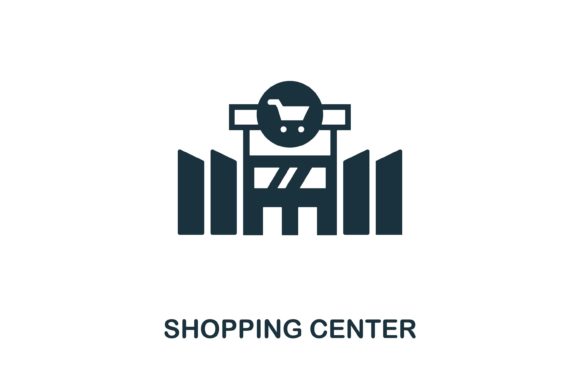
The Shopping Center Icon is more than just a visual placeholder. It represents a strategic communication tool that simplifies the conveyance of retail, commerce, and consumer-centric concepts. Available in both EPS and JPG formats, this monochrome icon offers flexibility and scalability across various platforms and design environments. Its clean, minimalist design makes it ideal for modern web layouts, infographics, and branding materials where visual consistency and clarity are essential.
For professionals working in marketing, design, and content creation, the Shopping Center Icon serves as a symbol that instantly communicates location, accessibility, and commercial activity. It's particularly useful when illustrating concepts like shopping districts, urban development, retail hubs, or consumer engagement strategies.
How Shopping Center Icon Supports Strategic Communication
Integrating the Shopping Center Icon into your design or content strategy can enhance how your audience interprets spatial and contextual information. When used thoughtfully, it supports:
- Clear messaging about commercial locations or services
- Visual consistency across branding materials and digital assets
- Improved user navigation in maps, directories, and wayfinding tools
- Stronger brand identity through repeated visual cues
Consider how the Shopping Center Icon might be used in a city planning presentation or a retail analytics dashboard. In both cases, the icon helps the audience quickly grasp the presence and importance of commercial spaces without the need for lengthy explanations.
Planning for Effective Use of Shopping Center Icon
Before incorporating the Shopping Center Icon into your project, it’s important to define your communication goals. Ask yourself:
- What message am I trying to convey?
- Who is my target audience?
- Where will this icon appear (e.g., website, infographic, app)?
- Does the icon align with the overall tone and purpose of the design?
For instance, if you're creating a mobile app for local shoppers, the Shopping Center Icon could serve as a location marker or category tag. However, if used in a report about urban development trends, the same icon might represent economic growth or retail density.
Strategic Positioning and Design Integration
Strategic positioning of the Shopping Center Icon within your layout can influence how users interact with your content. Consider the following design principles:
- Balance – Ensure the icon doesn’t overpower other visual elements
- Consistency – Use it alongside other icons from the same collection to maintain a unified aesthetic
- Accessibility – Make sure the icon is large enough and contrasts well with the background
- Context – Pair it with supporting text or data to reinforce its meaning
Because the Shopping Center Icon is available in both vector (EPS) and raster (JPG) formats, it can be easily edited and scaled without losing quality. This makes it ideal for responsive web design and print materials alike.
When to Use the Shopping Center Icon
Knowing when to use the Shopping Center Icon can significantly impact its effectiveness. It’s most appropriate in the following scenarios:
- Location-based applications such as maps, directories, or event listings
- Retail or commercial branding where the focus is on shopping centers, malls, or marketplaces
- Educational or informational graphics that explain urban planning, economic trends, or consumer behavior
- Mobile and web interfaces where space is limited and clarity is essential
For example, a real estate website might use the Shopping Center Icon to highlight properties located near commercial hubs, helping potential buyers understand the area’s accessibility and amenities.
Considerations Before Implementation
While the Shopping Center Icon is a powerful design tool, it should not be used in isolation or without clear intent. Before integrating it into your project, consider the following:
- Cultural relevance – Does the icon have the same meaning across different regions or audiences?
- Technical compatibility – Is the file format suitable for your platform or application?
- Brand alignment – Does the icon reflect your brand’s visual identity and values?
- Message clarity – Will the audience immediately understand the icon’s intended meaning?
If used without context or clarity, the Shopping Center Icon may confuse rather than inform. Always test your design with real users to ensure the icon enhances rather than hinders understanding.
Maximizing Long-Term Value with the Shopping Center Icon
Icons like the Shopping Center Icon are not just short-term design elements—they can contribute to long-term brand recognition and user experience. To maximize their value:
- Standardize usage across all platforms and materials
- Update regularly to reflect current design trends and brand evolution
- Combine with analytics to measure how users interact with icon-driven content
- Educate your team on best practices for icon integration and interpretation
By treating the Shopping Center Icon as part of a larger visual strategy, you can ensure consistency and effectiveness across all your digital and print communications.
Avoiding Common Pitfalls
One of the most common mistakes when using icons like the Shopping Center Icon is assuming universal understanding. Visual symbols can be interpreted differently based on culture, language, or prior experience. Another risk is overuse—placing too many icons in one space can lead to visual clutter and diminish the impact of each individual element.
To avoid these pitfalls:
- Always provide textual context when necessary
- Use icons sparingly and intentionally
- Test with diverse audiences to ensure clarity
- Document usage guidelines for consistent application
Remember, the goal is not just to decorate your design, but to support communication and enhance usability.
Conclusion: Using the Shopping Center Icon with Purpose
The Shopping Center Icon is more than a design element—it’s a strategic tool for enhancing communication, improving navigation, and reinforcing brand identity. When used thoughtfully, it can help you convey complex ideas quickly and effectively, whether you're building a website, designing an infographic, or developing a mobile app.
By understanding its function, planning for its use, and integrating it with intention, you can ensure that the Shopping Center Icon contributes meaningfully to your visual and strategic goals. Whether you're a marketer, designer, educator, or business owner, this simple yet powerful icon can support your efforts to connect with your audience and achieve better results.